
The United States Environmental Protection Agency has taken an important step toward ensuring the country continues to have access to adequate supplies of affordable electricity.
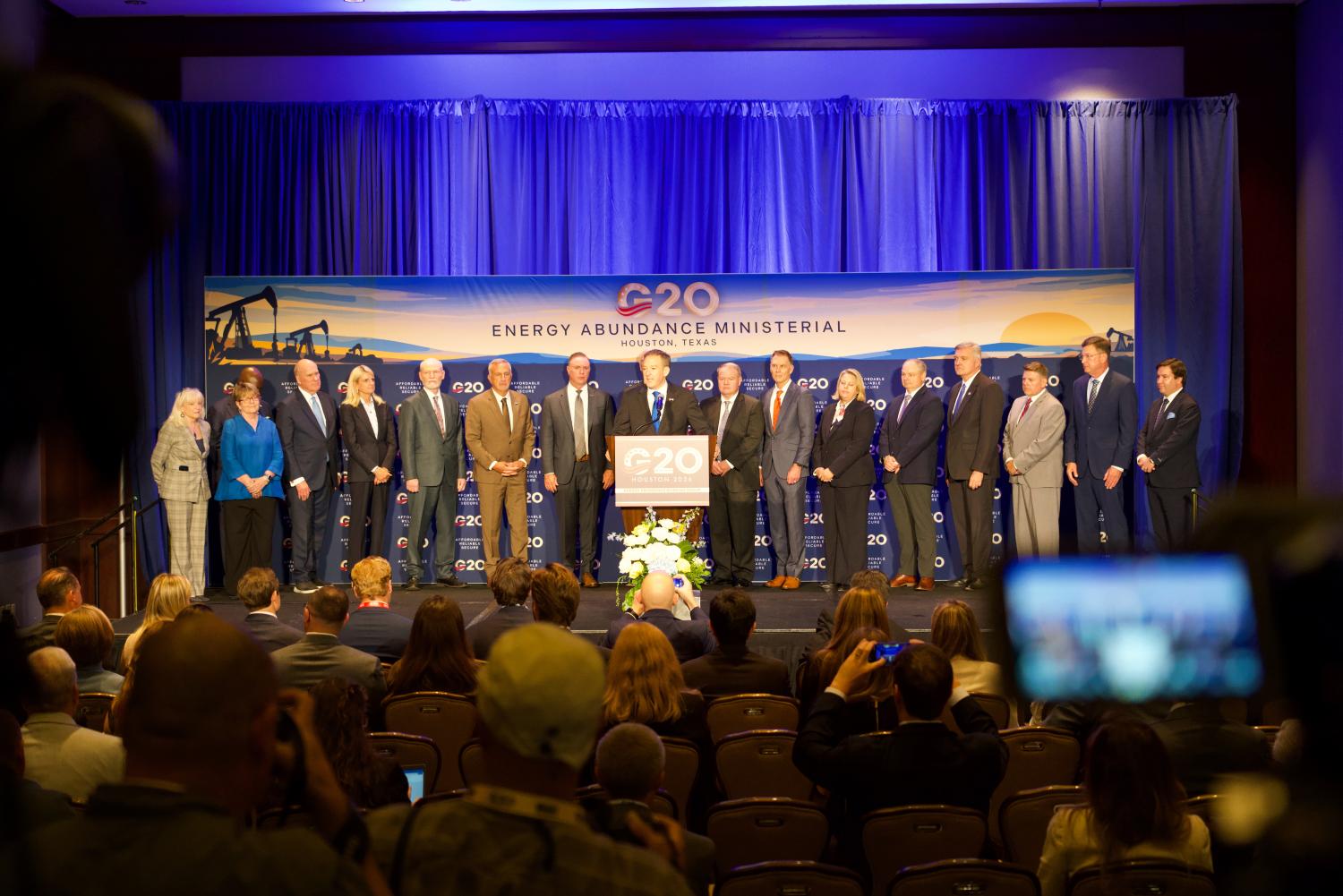
On Sept. 14, EPA Administrator Lee Zeldin announced to an international energy gathering in Houston that the agency will repeal 2024 greenhouse gas regulations that would have required coal- and natural gas-fired power plants to invest in carbon-control technologies that were unproven and commercially unavailable or face closure.
These mandates would have forced many baseload power plants into early retirement, threatening Americans’ access to the reliable, affordable electricity. At a time of rapidly rising electric demand, the rule would have further strained an already-stressed U.S. power grid.
In its announcement, the EPA stated: “The final rule strikes most of the 2024 Carbon Pollution Standards, which EPA has determined exceeded the agency’s authority under the Clean Air Act by requiring control technologies that are not adequately demonstrated, effectively forcing plants to retire rather than setting standards they could actually meet.”
Ohio’s Electric Cooperatives Vice President of Power Generation, Tom Alban, attended the G20 Energy Abundance Ministerial and was honored to stand with Zeldin as the repeal was announced.
“Ohio’s Electric Cooperatives supports the EPA’s recent decision to repeal parts of the Power Plant Greenhouse Gas Rule,” Alban said. “The 24 member-owned, not-for-profit electric distribution cooperatives in the state have a common mission to provide reliable, affordable electricity to more than 400,000 members in the communities they serve. Before this week, the rule posed a significant threat to co-ops' ability to deliver on that commitment by mandating technology that was not only unproven, but also commercially unavailable, forcing existing power plants into early retirement.
“Thanks to the administration’s decision, Ohio co-op members will continue receiving affordable and reliable electricity,” he said.
With this week’s final rule, EPA is proposing to rescind all remaining greenhouse gas emissions requirements for power plants. According to the agency, if approved, the repeal will save utilities and American ratepayers an estimated $1.2 billion annually.
Ohio’s electric cooperatives depend on baseload resources such as coal and natural gas to serve their members and emphasize that these resources remain essential to the stability of the nation’s power grid and ensuring Americans have the electricity they need to live, work, and learn.
About Buckeye Power and Ohio’s Electric Cooperatives:
Ohio’s Electric Cooperatives is the statewide services organization and generation and transmission cooperative that serves 24 Ohio electric cooperatives and one Michigan cooperative. Together, these co-ops deliver safe, reliable, and affordable electricity to more than 415,000 homes and businesses across Ohio.
Under OEC, Buckeye Power operates a diverse fleet of cooperative-owned generation resources, including coal, natural gas, and renewable energy facilities. Buckeye Power’s mission is to provide dependable, cost-effective power that supports the needs of Ohio’s cooperative members and the communities they serve.